Understanding SEER and EER Ratings for AC in Miami Beach
Published: 2026-07-06 · By AC Repair Miami Beach Pros
Picture this: a sweltering summer afternoon in Miami Beach. You've spent the day at the beach, enjoying the sun, but once you're back home, the sticky humidity hits you like a wall. Your air conditioning unit hums but isn’t pushing out any cool air. In a place where humidity and salt air test even the most reliable systems, understanding SEER and EER ratings can make a real difference in comfort and efficiency at home.
Why This Matters for Miami Beach Homeowners
For Miami Beach homeowners, the implications of SEER (Seasonal Energy Efficiency Ratio) and EER (Energy Efficiency Ratio) ratings extend beyond mere numbers on a brochure. SEER ratings indicate cooling efficiency over a whole season, while EER measures efficiency at a specific temperature. With our coastal climate, homes can face unique challenges like salt air corrosion, leading to decreased efficiency and increased repair costs.
As the sea breeze carries moisture and salt, corrosion becomes a concern. An air conditioning unit with low SEER or EER may work harder to cool your home, which not only affects comfort but also raises energy bills and accelerates wear and tear. It's essential to choose a unit that withstands Miami Beach's environmental conditions.
Be proactive about your air conditioning maintenance. A system operating below its optimal efficiency can lead to unexpected breakdowns, especially during peak summer months.
With the humidity and occasional tropical storms, Miami Beach residents must be vigilant. Understanding efficiency ratings can help avoid excess costs and ensure your system is up to the challenge of local weather extremes.
Expert Solutions & Actionable Tips
1. Choose the Right SEER Rating for Your Home
Miami Beach homeowners should consider investing in a unit with a SEER rating of 16 or higher. This rating ensures energy efficiency, particularly in a region with high temperatures and humidity. While models with higher SEER ratings can be more expensive upfront, the long-term savings on your energy bill can average between $50 to $100 per month.
The state of Florida also incentivizes the installation of energy-efficient HVAC systems, potentially offsetting initial costs through rebates. Long-lasting savings and environmental benefits make this a wise choice.
2. Consider EER Ratings for Hot Days
On exceptionally hot days, look for an AC unit with a high EER rating, especially those rated above 12. This indicates better performance even when temperatures soar. Given Miami Beach’s climate, a unit that maintains peak efficiency under stress can prevent discomfort at home.
The installation of a high EER unit might range from $3,500 to $7,000, depending on the system size and complexity. However, the return on efficiency during the summer can be seen in reduced usage and lower bills.
3. Regular Maintenance Matters
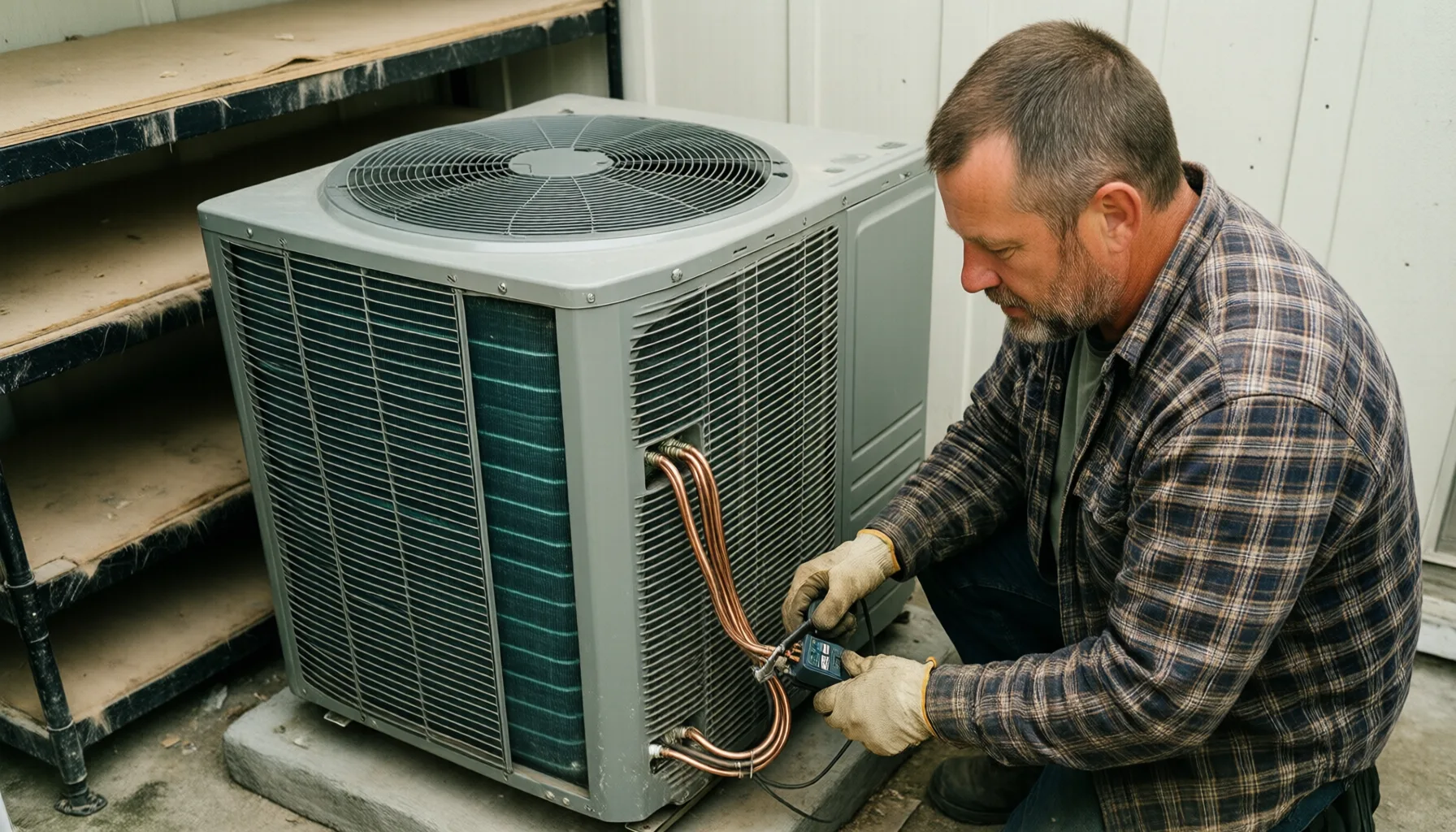
Depending on your equipment, a professional maintenance check should occur at least once a year. This service should include checking refrigerants, cleaning coils, and inspecting electrical components extensively. Neglecting maintenance can lead to minor issues becoming major expenses.
In Miami Beach, regular maintenance can cost homeowners around $100 to $200 per service. Investing in preventive care helps ensure optimum efficiency over time and prolongs the lifespan of your unit.
4. Consider Smart Thermostats
Investing in a smart thermostat can optimize your air conditioning’s efficiency. These devices allow you to program settings based on your daily life, making it easy to balance comfort with energy usage—important in a city where both matters greatly.
The cost of a smart thermostat typically ranges from $100 to $250. Studies show homeowners can recover their investment through smarter climate control, allowing for better adjustments during peak utility rates.
5. Review Your Insulation
Effective insulation keeps cool air in and hot air out, which is essential in humid Miami Beach. Homes built with elevated designs often have unique insulation needs. Upgrading insulation can greatly enhance how efficiently your AC system operates.
Homeowners can expect an insulation upgrade to cost between $1,500 to $3,000, depending on the area and materials used. Effective insulation can drastically decrease the workload on your system, leading to noticeable improvements in efficiency.
6. Understand Local Energy Efficiency Programs
Miami Beach promotes energy-efficient practices through various local incentives. Taking advantage of these programs can dramatically reduce your costs when purchasing or upgrading your AC unit.
Programs can vary, but homeowners may find rebates available on qualifying high-efficiency systems. Always check with local resources to gain insights into available rebates that could save you significant money upfront.
Miami Beach Climate & Local Context
Miami Beach's warm, humid climate places a significant demand on air conditioning systems. With the constant threat of salt air and the potential for hurricane-related moisture, homes here require reliable, efficient air conditioning solutions. Elevated homes often incorporate unique construction materials and designs that help mitigate moisture exposure.
Local building codes often dictate specific standards for AC installations, particularly to combat corrosion and humidity-related issues. Ensuring compliance with these codes is paramount while selecting equipment suited for the area, further emphasizing the importance of choosing units with appropriate efficiency ratings.
When to Call a Professional
Deciding whether to tackle air conditioning repairs yourself can be a daunting task, especially in the humid conditions of Miami Beach. For minor issues like replacing filters or batteries in thermostats, DIY can save you money. However, complex concerns require a professional touch.
- Don't attempt repairs if refrigerants need to be handled.
- Skip DIY if there’s a continuous coil freeze or significant pooling water around the unit.
- Leave it to experts when you hear persistent unusual noises.
- If your system is short-cycling, professional analysis is crucial.
- Electrical components should always be addressed by certified technicians.
Given the potential hazards and complications involved, knowing when to call a professional is key to ensuring both safety and efficient operation of your system.
Frequently Asked Questions
What is the ideal SEER rating for Miami Beach?
A SEER rating of 16 or higher is recommended for Miami Beach due to the hot tropical climate, ensuring efficient energy use throughout peak seasons.
How can I maintain my AC unit myself?
Homeowners can regularly replace filters, check the low voltage electrical connections, and clear the outdoor unit of debris to ensure optimal functioning.
When should I replace my old AC unit?
If your unit is over ten years old and regularly requires repairs, it’s often more cost-effective to replace it, especially to benefit from newer, more efficient models.
What are common signs of AC problems?
Some common signs include inadequate cooling, unusual noises, water pooling, and unexplained increases in energy bills.
How can I find the best AC repair service in Miami Beach?
Look for certified technicians with strong local reviews and inquire about their experience with coastal corrosion issues specific to Miami Beach.
Get Expert Air Conditioning Repair Service in Miami Beach
Feel the comfort and efficiency you deserve in your home. If your AC isn’t performing at its best, don’t hesitate to reach out. Call (786) 481-1049 to speak with AC Repair Miami Beach Pros for expert assistance tailored to the unique challenges of Miami Beach.
Experience peace of mind knowing your air conditioning system is in the hands of local professionals who understand the specific needs of your community.